
Getting Around Rio de Janeiro: Metrô, Airport, VLT, Buses
From Galeão to Copacabana and around Rio de Janeiro by Metrô, VLT, BRT, Uber and bus, with the fares and hours the operators list.
The easiest way around Rio de Janeiro is a ride-hailing app (Uber or 99) at night, from the airports and for places the Metrô doesn’t reach, plus the Metrô in daylight for the south zone and the centre. The VLT covers the centre and the port, and regular buses are the one option most guides say to skip. From Galeão to Copacabana, a car or metered taxi is the easy way, and the Metrô single fare is R$7.90.
Roam Rio read 24 guides in English, Portuguese, Spanish, Italian, French and German, from independent blogs, expat sites and local travel sites. Every hour and price on this page comes from an operator’s own page, not from those guides. Fares are adjusted often and some pages couldn’t be reached, so check the linked page before you travel.
| Pick | Guides naming it |
|---|---|
| Ride-hailing apps for nights, luggage and gaps in the network | 21 of 24 |
| The Metrô for the south zone and the centre | 16 of 24 |
| Licensed, metered taxis only | 15 of 24 |
| The VLT for the centre and port | 14 of 24 |
| A reloadable card or the Jaé app | 13 of 24 |
| Skipping regular buses | 13 of 24 |
| Galeão by car, Santos Dumont by VLT | 12 of 24 each |
| Avoiding Metrô rush hours | 11 of 24 |
Ride-hailing apps
Recommended by 21 of 24 guides read.
Uber and 99 are the most named tip by a distance. Guides like them at night, with luggage, in the rain and for places the Metrô misses, such as Santa Teresa, Jardim Botânico and Lagoa. The price shows in the app before you book, and you can match the plate and driver to your booking. Prices climb at busy moments like Carnaval and New Year’s Eve. One guide in the group disagrees and warns women about drivers, so keep your phone out of sight while you wait and share the ride. Load the app and a payment card before you land.
The Metrô
Recommended by 16 of 24 guides read.
For the south zone and the centre, the Metrô is the plan most guides give. MetrôRio lists three lines.
- Line 1 runs from Uruguai (Tijuca) to General Osório (Ipanema).
- Line 2 runs from Pavuna to Botafogo.
- Line 4 runs from Nossa Senhora da Paz (Ipanema) to Jardim Oceânico (Barra da Tijuca).
Stations include Cinelândia, Cardeal Arcoverde, Siqueira Campos and Cantagalo in Copacabana, and General Osório in Ipanema. The operator publishes its own network map on the site above.


Trains run Monday to Saturday from 05:00 to midnight and on Sundays and holidays from 07:00 to 23:00, per the operator’s Sua Viagem page. That page also says to be on the platform of your transfer station before closing time, and that lines 1 and 2 transfer between Central do Brasil and Botafogo.
The single fare is R$7.90, and the fares page says it stays at that amount from 12 April 2026. A fare can change, so read it there before you go.
Recommended by 8 of 24 guides read: reach the beaches this way. Copacabana and Ipanema are on the Metrô, and Botafogo Beach is at the station of the same name.

Recommended by 11 of 24 guides read: avoid the peaks. Trains and platforms fill at the morning and evening rush, which is a bad time to carry bags.
Recommended by 9 of 24 guides read: don’t assume it reaches everywhere. Barra da Tijuca is served by Line 4, but guides say to use the BRT or an app for much of the west and for hill neighbourhoods.
Licensed taxis
Recommended by 15 of 24 guides read.
Use a licensed taxi with the meter running, from a rank or booked through an app, and ignore anyone who approaches you in arrivals or at the bus terminal. Guides call these unlicensed offers the main taxi risk. If a driver won’t use the meter, take another car.
The VLT
Recommended by 14 of 24 guides read.
The VLT covers the centre and the port. The VLT Carioca site lists daily service from 05:00 to 23:00 and a R$5.00 fare. It has four lines:

- Line 1 (blue): Santos Dumont to Terminal Gentileza
- Line 2 (green): Praça XV to Praia Formosa
- Line 3 (yellow): Santos Dumont to Central
- Line 4 (orange): Praça XV to Terminal Gentileza
Lines 2 and 4 start at Praça XV.

Recommended by 5 of 24 guides read: validate every time you board. Several guides stress that the VLT has no gates, so you need a card or app ready and have to validate on board, because inspectors check. The VLT page doesn’t set out its payment rules in the text that could be read, so check the operator before your first ride.
Cards and payment
Recommended by 13 of 24 guides read.
Guides agree you shouldn’t depend on cash, though they split on which card. Many name the Jaé app or card, and older pages name the Riocard. The Metrô says it accepts both, plus a QR single ticket bought through the RecargaPay app or at authorised points of sale, and a tap of a Visa, Mastercard or Elo card or an NFC phone at the gate (fares and payment). The tap is a less common tip, named by 5 of 24 guides.
The same page lists transfer fares within a 120 minute window. Metrô plus BRT is R$9.70 and works only with Jaé. Metrô plus an integration bus is R$7.90 or R$8.80 depending on the line, so check the page for yours. Metrô plus train, intermodal bus or ferry (Barcas) is R$9.40 on a Riocard with the intermunicipal Bilhete Único enabled.
The city’s bus operator pages are at mobi-rio.rio.br. That site returned an error when this page was checked, so ask your hotel or the Jaé app which card to use on buses.
Regular buses
Recommended by 13 of 24 guides read, as something to skip.
Guides call the buses cheap but confusing, with unclear stops, crowds and some pickpocketing, and most say to avoid them at night. If you do ride one, stick to main streets. The BRT, which has its own lanes, gets a kinder verdict and is the usual link to Barra and the airport.

From RIOgaleão airport
The airport lists its own options on its how to get here page, which returned an error when this page was checked, so fares and pickup doors aren’t repeated here.
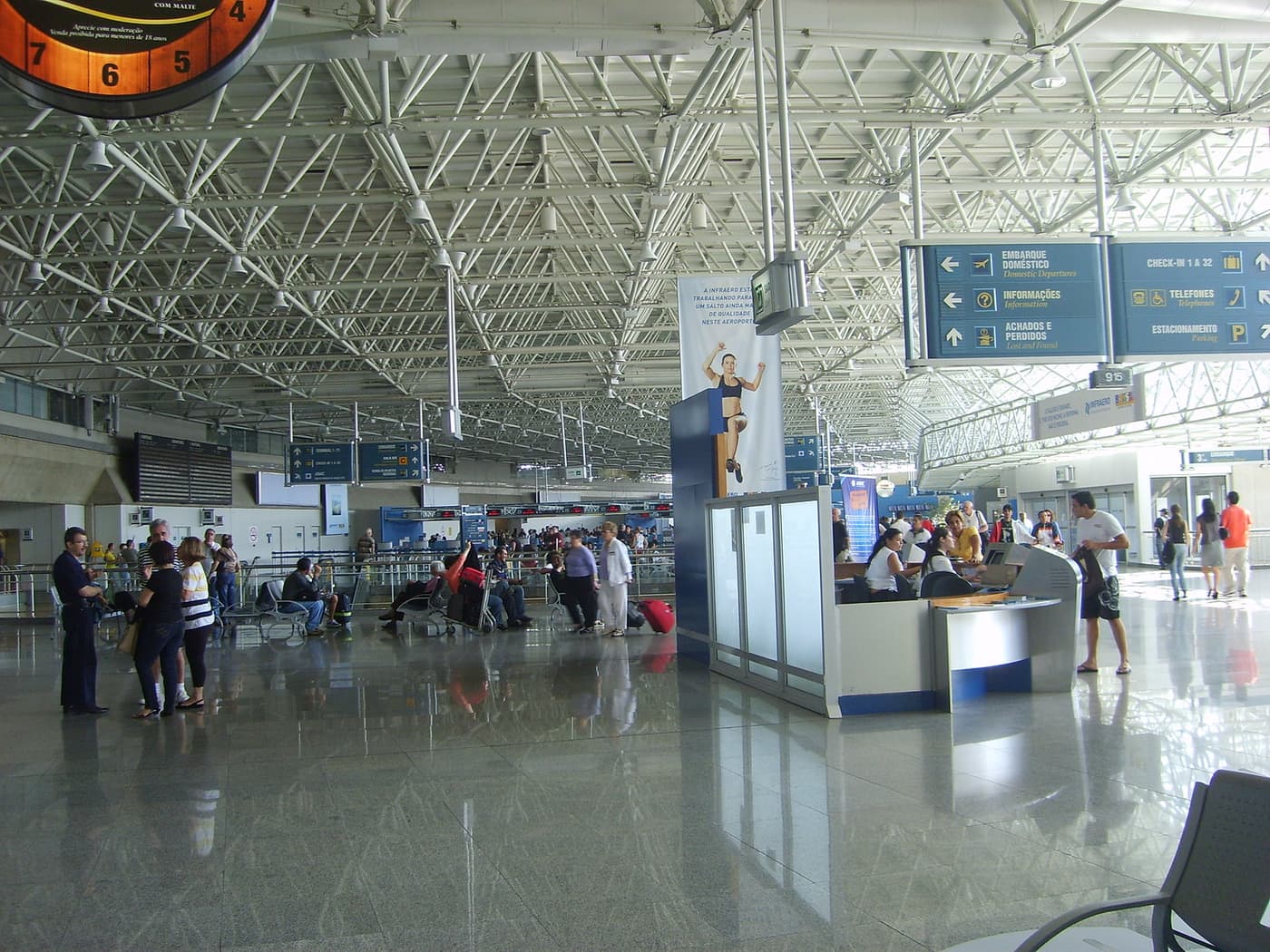
To get from Galeão to Copacabana, the three routes below are the ones guides name. A car or taxi is the easy one, the BRT and Metrô is the cheap one, and the executive bus sits between them.
Recommended by 12 of 24 guides read: a car or taxi. Uber, 99 or a metered taxi is the easy way into the south zone, particularly with bags or after a long flight. Use the designated app pickup point, not the kerb.
Recommended by 11 of 24 guides read: BRT plus Metrô. The cheap route is a BRT bus to Vicente de Carvalho, then Line 2. There is no Metrô station at the airport. Guides warn it takes well over an hour and is hard with luggage.
Recommended by 10 of 24 guides read: the executive bus. The air-conditioned “frescão” coaches run to the south zone, Barra and the Novo Rio bus terminal. Guides disagree on prices and schedules, and lines have changed, so confirm at the airport.
Santos Dumont airport
Recommended by 12 of 24 guides read.
Santos Dumont is the end of VLT Lines 1 and 3, and it’s the easiest airport for the centre. Guides say to continue by VLT to Cinelândia for the Metrô, or take a short app or taxi ride to the south zone. The airport’s own site couldn’t be read, so its services aren’t covered.
Ferries, bikes and cars
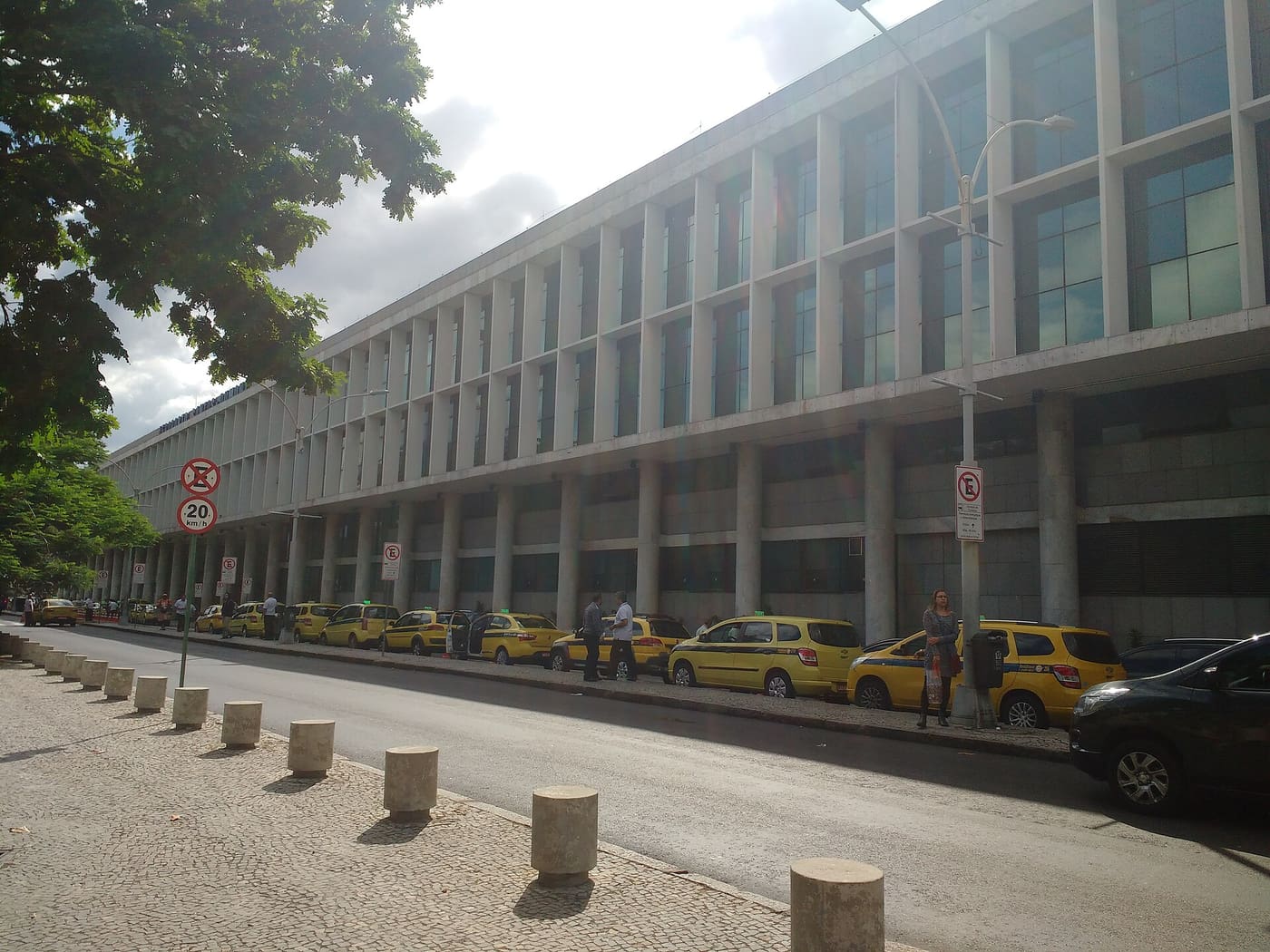
Ferries, 10 of 24 guides read. Ferries and catamarans to Niterói leave from Praça XV. The operator’s site couldn’t be read, so crossing times and fares aren’t given. Day trips from the city are in the day trips guide.
Bike share, 10 of 24 guides read. Bikes suit the seafront paths in Copacabana, Ipanema and Leblon, and guides say to avoid heavy roads and night rides.
Renting a car, 10 of 24 guides say don’t. Traffic, scarce parking and confusing signs outweigh the freedom if you’re staying in the south zone.
Planning and walking
Recommended by 9 of 24 guides read. Moovit and Google Maps are the apps guides mention for routes. Recommended by 7 of 24: walk in compact areas like Santa Teresa, Lapa and the beachfront, and take a car for isolated stretches after dark. The Santa Teresa tram isn’t covered because no official page could be read for its status.

To see what’s near a station, open the map and look at the area around it.
Frequently Asked Questions
What is the best way to get around Rio de Janeiro?
Most guides say to use Uber or 99 at night and for places the Metrô doesn’t reach, and to ride the Metrô in daylight in the south zone and the centre. The VLT covers the centre and port, and regular buses are the option most guides say to skip.
Does Rio de Janeiro have a subway?
Yes. MetrôRio runs Lines 1, 2 and 4, which cover the centre, Copacabana, Ipanema and Barra da Tijuca. Trains run Monday to Saturday from 05:00 to midnight and on Sundays and holidays from 07:00 to 23:00.
How much is a Metrô ticket in Rio?
The single fare is R$7.90, and the operator’s fares page says it stays at that amount from 12 April 2026. Check the page before you go, because fares change.
How do you pay for the Metrô?
The Metrô accepts the Jaé app or card and the Riocard. It also takes a QR single ticket bought through the RecargaPay app or at authorised points of sale. You can tap a Visa, Mastercard or Elo card or an NFC phone at the gate.
How do you get from Galeão airport to Copacabana?
A car or metered taxi is the easy way, and guides say to use the designated app pickup point. The cheap way is a BRT bus to Vicente de Carvalho and then Metrô Line 2, which guides say takes well over an hour. The executive bus runs to the south zone, so confirm the line at the airport.
Are there two airports in Rio?
Yes, Galeão (RIOgaleão) and Santos Dumont. Santos Dumont is the end of VLT Lines 1 and 3 and is the easiest airport for the centre.
Is public transport in Rio safe for tourists?
Guides rate the Metrô and VLT as fine in daylight and say to use an app at night. They call regular buses cheap but confusing, with some pickpocketing, and advise avoiding them after dark.
Should you rent a car in Rio?
Most guides that cover it say no. Traffic, scarce parking and confusing signs outweigh the freedom if you’re staying in the south zone.
Sources: 24 guides in English, Portuguese, Spanish, German, French and Italian, and 4 official pages
Guides in English
- Transport in Rio de JaneiroExpat.com
- Getting around Rio (Rio de Janeiro by Cariocas)Rio de Janeiro by Cariocas
- Transport in Rio, All the Info You NeedGringo Rio
- Public transportation in RioCaminhos Languages
- Getting Around Rio de Janeiro: Metro, Uber, and MoreTo Know Brazil
- Transportation in Rio de Janeiro: A GuideProject Expedition
- How to Get Around Rio de Janeiro: Public Transport GuideGoing to Rio
- Galeao Airport GIG GuideRio de Janeiro Trip
- How to Get Around Rio de JaneiroGood Guide in Rio
Guides in Portuguese
- Transportes no Rio de Janeiro: como se locomover gastando poucoViciada em Viajar
- Transporte do Aeroporto Santos DumontMelhores Destinos
- Como se locomover no Rio de Janeiro de transporte públicoQuero Viajar Mais
- Como se locomover no Rio de Janeiro: guia definitivoQuanto Custa Viajar
- VLT no Rio de Janeiro: como se locomover pelo centroQuintoAndar Guias
- Como ir do aeroporto do Galeão ao centro do RioPontos pra Voar
- Aeroporto Galeão Rio de Janeiro: guia completoFui ser viajante
- Aeroporto RIOgaleãoViaja que Passa
Guides in Spanish
- Cómo llegar desde los aeropuertos de Río de Janeiro al centro y a las playasPromos Aéreas
- Cómo moverse en Río de JaneiroBrasil ATM
- Cómo moverse en Río de Janeiro (guía práctica de transportes)Magia en el Camino
Guides in German
- Rio de Janeiro: Verkehrsmittel und FortbewegungFaszination Lateinamerika
- Rio de Janeiro, Getting aroundDer Reiseführer
Guides in French
Guides in Italian
- Rio de Janeiro, come muoversiTravel365
Official pages
- MetrôRio, fares and paymentmetrorio.com.br
- MetrôRio, Sua Viagemmetrorio.com.br
- MetrôRiometrorio.com.br
- VLT Cariocatrilhos.motiva.com.br
Places in this guide
Photos show the actual places, licensed under Creative Commons and credited to their photographers.


Find hotels in Rio de Janeiro
Browse live availability and compare prices for your dates.
See hotels near Rio de Janeiro on Booking.comPrices are for the night of Saturday 28 November. You can change the dates on Booking.com. If you book, Roam Rio de Janeiro earns a small commission from Stay22 at no extra cost to you.