
Things to Do in Rio de Janeiro: Top Sights and a 3-Day Plan
Things to do in Rio de Janeiro: Christ the Redeemer, Sugarloaf, beaches and museums, with hours, a 3-day plan, free picks and ideas for kids.
The things to do in Rio de Janeiro that almost every guide names are Christ the Redeemer and the Sugarloaf, then Copacabana and Ipanema, the Selarón Steps, the Botanical Garden and Tijuca National Park. Three days cover them if you group the city by area, and the plan below does that. Every place has a page on the map, and you’ll want it open while you plan.
The picks are ordered by how many guides name them. Roam Rio read 17 guides in English, Portuguese, French, Spanish and German, from travel sites and independent blogs. Every hour, price and date on this page comes from the place’s own page or an official body, not from those guides. Check the page before you go. Opening rules change, and several of the places below are in the middle of works or restorations.
Then see what’s on while you’re here. The events page lists concerts, exhibitions, matches and festivals from the organisers’ own pages, and the live music page has the gigs. Daniel went to futebol matches while living in Rio.
The short list for a first visit
| Do this | Guides naming it (of 17) | Where |
|---|---|---|
| Christ the Redeemer | 17 | Corcovado |
| Sugarloaf Cable Car | 17 | Urca |
| Copacabana Beach | 16 | Zona Sul |
| Ipanema Beach | 15 | Zona Sul |
| Selarón Steps | 14 | Lapa |
| Botanical Garden | 13 | Jardim Botânico |
| Tijuca National Park | 13 | Tijuca |
| Lapa Arches | 12 | Lapa |
| Parque Lage | 11 | Jardim Botânico |
| Maracanã Stadium Tour | 11 | North Zone |
| Museum of Tomorrow | 10 | Centro |
A 3-day plan
Rio sorts itself by area, so each day stays in one part of the city and you aren’t crossing town. Swap days around the weather, since the viewpoints need clear skies and the museums don’t.
Day 1, Corcovado and the gardens. Go up to Christ the Redeemer first thing. Then take the Botanical Garden and Parque Lage, which sit a short way apart in Jardim Botânico. On a Wednesday the garden doesn’t open until 11:00.

Day 2, the beaches. Start on Copacabana Beach, walk round Arpoador Rock to Ipanema Beach and watch the sunset from the rock. Leblon Beach is the next stretch if you want more sand.
Day 3, Lapa, the centre and the Sugarloaf. Do Lapa and the old centre by day. The Selarón Steps, the Lapa Arches and the Museum of Tomorrow fit in a morning and an early afternoon, and the museum isn’t open on Wednesdays. End on the Sugarloaf Cable Car in the late afternoon for the sunset.

A fourth day goes to Tijuca National Park or the Maracanã Stadium Tour.
Christ the Redeemer and Corcovado
Recommended by 17 of 17 guides read, one of two picks that every guide names.
Christ the Redeemer is the first thing most guides send you to, and a few say to go early. Arriving on foot, you pay only the monument ticket at the top, R$60 for adults according to the park’s visiting page. The same page says the escalators to the platform have been under replacement since 3 August 2026 and that visitor numbers at the top are cut by half, so expect a wait.

The Corcovado Train leaves every 20 minutes, daily from 08:00 to 18:00, and an adult ticket is R$139 on the train’s own page. Check in at least 40 minutes before your slot or it counts as lost. The Dona Marta Viewpoint, named by 6 guides, is a quieter view of the same hill, so check its status before you plan around it. Read the Cosme Velho and Corcovado guide.
The Sugarloaf and the bay
The Sugarloaf is recommended by 17 of 17 guides read, Copacabana by 16 and Ipanema by 15.
The Sugarloaf Cable Car goes up in two stages, with a stop on the Morro da Urca. The park’s FAQ says standard tickets are valid for seven calendar days from the date you choose and that the cars run in rain, with a pause in strong wind or lightning. Its opening hours differ between parts of the page, so read the current hours there. Several guides say to go in the late afternoon for the sunset. Read the Urca guide.

Copacabana Beach (16 guides) and Ipanema Beach (15) are the two beaches everyone names. Leblon Beach (6 guides) continues round from Ipanema. Arpoador Rock, between Ipanema and Copacabana, is named by 7 guides, mostly for the sunset. The Copacabana guide, the Ipanema guide and the Leblon guide cover the blocks behind them.
Lapa, Santa Teresa and the old centre
The Selarón Steps are recommended by 14 of 17 guides read, the Lapa Arches by 12, Santa Teresa by 12 and the Museum of Tomorrow by 10.
The Selarón Steps and the Lapa Arches sit a few minutes apart, and Lapa is also where guides send you for nightlife. Several of them say don’t wander there or in the centre at night and at weekends, so go by day or take a taxi home. Santa Teresa, on the hill above, is named for its streets and its tram, and the Chácara do Céu Museum is there. Read the Santa Teresa guide and the Lapa guide.

In the centre, the Museum of Tomorrow charges R$40 for a full ticket and R$20 for half price, with R$10 on the 10th of each month, per its visiting page. The page doesn’t list opening days, so check them there. The Royal Portuguese Reading Room (8 guides) is a library with a famous reading hall. The Metropolitan Cathedral and the Monastery of São Bento are named by 7 guides each, and the Banco do Brasil Cultural Center and the Confeitaria Colombo by 6.
The Rio Art Museum (MAR) (5 guides) isn’t open on Wednesdays and opens 11:00 to 18:00 otherwise, with tickets at R$20 and free on Tuesdays, according to the museum’s page. Also named by 5 are the Theatro Municipal and the Candelária Church. Read the Centro guide.

Gardens, parks and trails
The Botanical Garden is recommended by 13 of 17 guides read, Tijuca National Park by 13 and Parque Lage by 11.
The Rio de Janeiro Botanical Garden is open Thursday to Tuesday from 08:00 to 17:00 and from 11:00 on Wednesdays, according to the garden’s FAQ. Entry is R$40 for visitors living in Brazil and R$80 for foreign visitors. Parque Lage is free and open 08:00 to 18:00, and its own page says the Palacete is closed for restoration. The Rodrigo de Freitas Lagoon (6 guides) is the loop next door. Read the Jardim Botânico and Gávea guide.
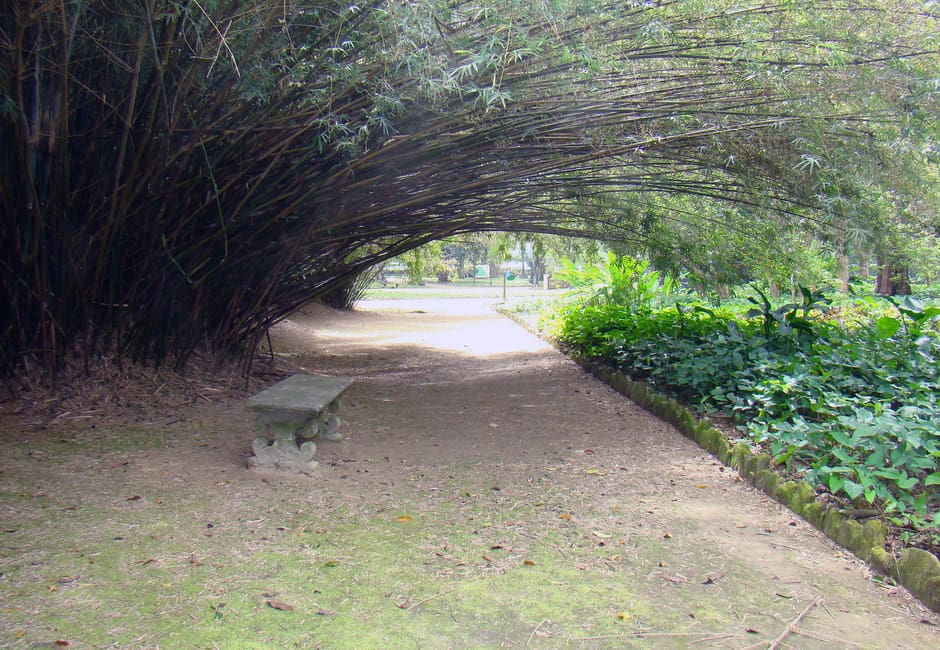
Tijuca National Park is listed as open daily from 08:00 to 17:00 on the park’s site, which also bans pets and fires and warns of weak phone signal. The site carries closure notices for some days, so check it first. Inside the park, the Chinese View and the Pedra da Gávea are named by 5 guides each, and the Dois Irmãos hike by 5. The Tijuca guide covers the rest.
Football, fairs and Carnaval
The Maracanã is recommended by 11 of 17 guides read, Carnaval by 8 and the São Cristóvão Fair by 5.
The Maracanã Stadium Tour sells tickets at the Gate 1 office, which opens at 08:30, according to Riotur. Prices and tour times are on the stadium’s tour site. The São Cristóvão Fair runs Tuesday to Friday 10:00 to 18:00, Saturday from 10:00 until 04:00 the next morning and Sunday 10:00 to 20:00, per Riotur. Carnaval is the parade season at the Sambadrome, and the dates are on the events page.

Less common picks
Four guides each name the Ipanema Hippie Fair, the Copacabana Fort, the Parque das Ruínas, the Pedra do Sal and the Pedra Bonita viewpoint. A helicopter flight is named by 5 guides, and nine suggest a guided favela visit, which they say to book only with a local operator.
Free things to do in Rio
The beaches and promenades don’t cost anything, and neither do several of the places above and a few more:
- Parque Lage is free.
- The Catete Palace, which is the Museu da República, doesn’t charge for entry.
- Casa Firjan is free to visit.
- The Banco do Brasil Cultural Center says entry and its exhibitions are free.
- The Rio Art Museum (MAR) is free on Tuesdays and the Museum of Tomorrow charges only R$10 on the 10th of each month.

The free things collection puts them on one map.
Things to do in Rio with kids
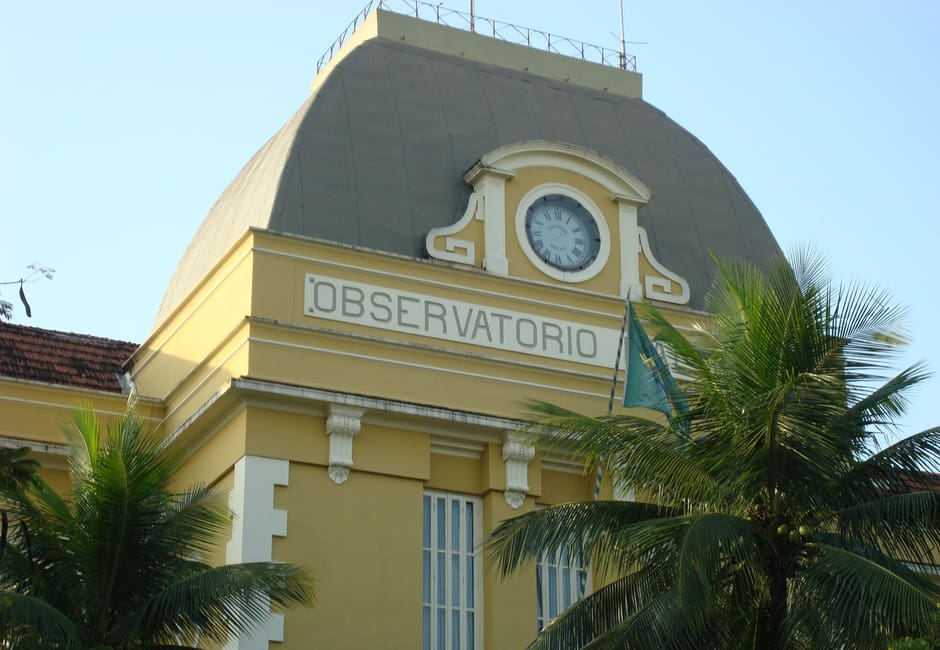
The Sugarloaf Cable Car lets children up to 2 in free and charges half price for ages 3 to 12. The Catete Palace is free. The Museum of Astronomy and Related Sciences has exhibitions aimed mainly at children.
When you can’t pick
Do Christ the Redeemer early, then the Sugarloaf near sunset, and fill the rest by area. If you can’t decide, the plan above is a fair default, and it’s easy to shuffle. The rainy day collection lists what to do when it pours, and the free things collection lists the places that cost nothing.
Frequently Asked Questions
What are the best things to do in Rio de Janeiro?
Christ the Redeemer and the Sugarloaf are named by all 17 guides read, then Copacabana, Ipanema, the Selarón Steps, the Botanical Garden and Tijuca National Park. The short list table above has the full order.
How many days do you need in Rio?
Three days cover the short list if you do one area a day, as in the plan above, and you won’t need more unless you add Tijuca. A fourth day fits Tijuca National Park or the Maracanã.
How do you get up to Christ the Redeemer?
The Corcovado Train leaves every 20 minutes from 08:00 to 18:00 and costs R$139 for an adult. If you arrive on foot you pay only the R$60 monument ticket at the top. Go early, because visitor numbers at the top are cut by half while the escalators are being replaced.
What can you do in Rio for free?
The beaches and promenades are free, and so are Parque Lage, the Catete Palace, Casa Firjan and the Banco do Brasil Cultural Center, and the Rio Art Museum on Tuesdays.
What is there to do in Rio with kids?
The Sugarloaf Cable Car charges half price for ages 3 to 12, and the Catete Palace is free. The Museum of Astronomy and Related Sciences is aimed mainly at children.
Is it safe to go out in Lapa at night?
Several guides say don’t wander in Lapa and the centre at night and at weekends. Don’t walk home at night. Go by day, or take a taxi.
Is Copacabana or Ipanema safer?
Six of the 12 guides that compare them call Ipanema the safer of the two, and eight say Copacabana needs more care at night. The Copacabana or Ipanema guide has the detail.
What is there to do in Rio when it rains?
The Sugarloaf cable car runs in rain, with a pause in strong wind or lightning. The rainy day collection lists museums and other covered places.
Sources: 17 guides in Portuguese, English, Spanish, French and German, and 10 official pages
Guides in Portuguese
- O que fazer no Rio de Janeiro: Parques, museus, praias, trilhas e mais!Dicas de Viagem
- Pontos Turísticos do Rio de Janeiro: O Que Fazer de 5 a 7 dias360 Meridianos
- Principais pontos turísticos do Rio de Janeiro: O que fazerQuero Viajar Mais
- O que fazer no Rio de Janeiro: 40 atrações imperdíveisMelhores Destinos
- Saiba o que fazer na Cidade MaravilhosaPassageiro de Primeira
Guides in English
- Rio de Janeiro Travel Guide: 12 Best Things to Do & 4-Day ItineraryBucketlistly
- 40 Bucketlist Things to do in Rio de Janeiro (On Your First Visit!)Divergent Travelers
- 28 Best Things to Do in Rio De JaneiroThe Planet D
- Top things you need to do on your trip to Rio de JaneiroDaily Hive
Guides in Spanish
- 10 lugares que ver en Río de Janeiro antes de morirNómades
- ¿Qué ver en Rio de Janeiro? Guía + MapaGuía Low Cost
- Que hacer en Río de JaneiroFelices Vacaciones
- Lo mejor de Río de Janeiro: 25 rincones imprescindiblesminube
Guides in French
- Rio de Janeiro : les incontournablesRoutard
- Visiter Rio de Janeiro : les 8 choses incontournables à faireGénération Voyage
- Que faire à Rio de Janeiro ? Top 21 des incontournablesVoyage avec nous
Guides in German
Official pages
- Christ the Redeemer, how to visit (Tijuca National Park)parquenacionaldatijuca.rio
- Corcovado Train, useful informationtremdocorcovado.rio
- Sugarloaf cable car, FAQbondinho.com.br
- Museum of Tomorrow, plan your visitmuseudoamanha.org.br
- Museu de Arte do Rio, hours and ticketsmuseudeartedorio.org.br
- Rio Botanical Garden, FAQgov.br
- Parque Lage, the parkeavparquelage.rj.gov.br
- Tijuca National Park, official siteparquenacionaldatijuca.rio
- Riotur, Maracanã Stadiumriotur.rio
- Riotur, São Cristóvão Fairriotur.rio
Places in this guide
Photos show the actual places, licensed under Creative Commons and credited to their photographers.



Find hotels in Rio de Janeiro
Browse live availability and compare prices for your dates.
See hotels near Rio de Janeiro on Booking.comPrices are for the night of Saturday 28 November. You can change the dates on Booking.com. If you book, Roam Rio de Janeiro earns a small commission from Stay22 at no extra cost to you.