Where to Stay in Rio de Janeiro: Best Areas for Every Trip
Where to stay in Rio de Janeiro: Ipanema or Copacabana for a first trip, Botafogo for value, Leblon for families, plus Carnival, nightlife and metro stops.
For a first trip, stay in Ipanema if you can pay more, or in Copacabana if you want the most hotels to choose from and a lower bill. Botafogo is the value pick, Leblon is the calm, expensive one, and the centre works for a short stay built around museums. All of them sit in the South Zone, where the beaches are, and every area named below is on the map.
Roam Rio de Janeiro read 24 guides on where to stay, in English, Portuguese, French, Spanish, German and Italian, from travel blogs and independent writers. The counts below are how many of them name an area as a good base. Every metro stop on this page comes from MetrôRio, not from those guides. Opening hours and fair days change, so check a place’s own page or Riotur before you go. No hotel is named here, because the guides disagree on hotels far more than on areas.
Then see what’s on during your dates. The events page lists what’s on from the organisers’ own pages, and the map shows it next to each area.
| Area | Guides naming it (of 24) | Best for | Metro |
|---|---|---|---|
| Ipanema and Arpoador | 24 | Beach days with shops and restaurants | General Osório (Line 1), Nossa Senhora da Paz (Line 4) |
| Copacabana and Leme | 22 | A first trip, the most rooms to choose from | Cardeal Arcoverde, Siqueira Campos, Cantagalo (Line 1) |
| Botafogo | 21 | Lower prices, a local feel, central position | Botafogo (Lines 1, 2) |
| Leblon | 18 | A calmer, pricier beach base | Antero de Quental, Jardim de Alah (Line 4) |
| Santa Teresa | 18 | A hilltop stay, art and views | No station on the lines |
| Centro and Porto Maravilha | 15 | Museums, short stays, lower prices | Carioca, Cinelândia, Uruguaiana (Lines 1, 2) |
| Lapa | 12 | Nights out, budget rooms | Nearest stops are in Centro |
| Flamengo and Glória | 10 | Calm, value, the bay | Glória, Catete, Largo do Machado, Flamengo (Lines 1, 2) |
Which area for which trip
The guides don’t all agree, so these are the areas they name most often for each kind of trip.

| Your trip | Start with | Why |
|---|---|---|
| First time in Rio | Copacabana, or Ipanema if you can pay more | The most hotels, the metro and the beaches in one place |
| Couples | Ipanema, or Santa Teresa for a hilltop stay | Restaurants and sunsets at Arpoador, or art and views |
| Families | Leblon | Calm, fewer crowds on the beach |
| Lower prices | Botafogo, Flamengo and Glória | Cheaper than the beach strip, on Lines 1 and 2 |
| Nights out | Lapa for the evening, Copacabana to sleep | Samba clubs and bars, but guides split on sleeping there |
| Museums, a short stay | Centro | The museums are on foot, and Lines 1 and 2 stop here |
| Carnival | Copacabana, Ipanema, Botafogo, Flamengo or Catete | Book as early as you can, see the Carnival guide |
Is it safe, and where to be careful
Most guides put the South Zone first for visitors, and they’ve nearly all got the same habits to add. Keep your phone and bag out of sight on the beach and the seafront, stay on lit streets at night, and pick a hotel on a busy street. Several name Centro after office hours, Lapa and the back streets of Copacabana for more care. Guides lean toward Ipanema and Leblon as the calmer areas, and the Copacabana vs Ipanema guide covers how the two compare on safety. Avoid the North Zone, and don’t stay inside a favela.
Arriving from the airport
Neither airport has a Metrô station. From Galeão, a car or metered taxi is the easy way to a South Zone hotel, and the cheap route by BRT and Metrô takes well over an hour, so it isn’t much fun with luggage. The getting around guide has the routes and fares. If you’re staying near a station on Line 1 or Line 4, the rest of the trip is simpler.
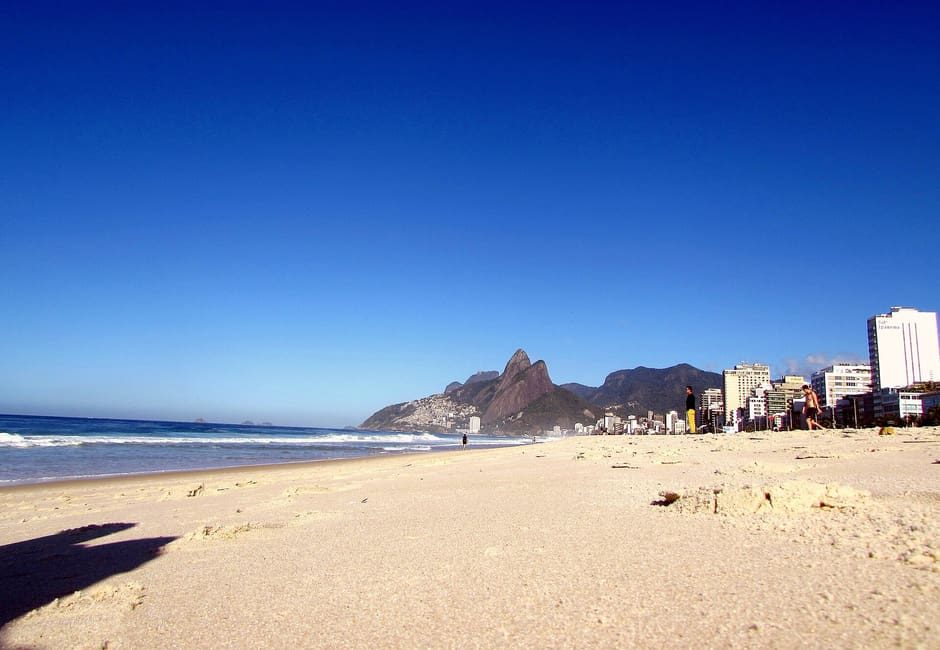
Ipanema and Arpoador
Recommended by 24 of 24 guides read.
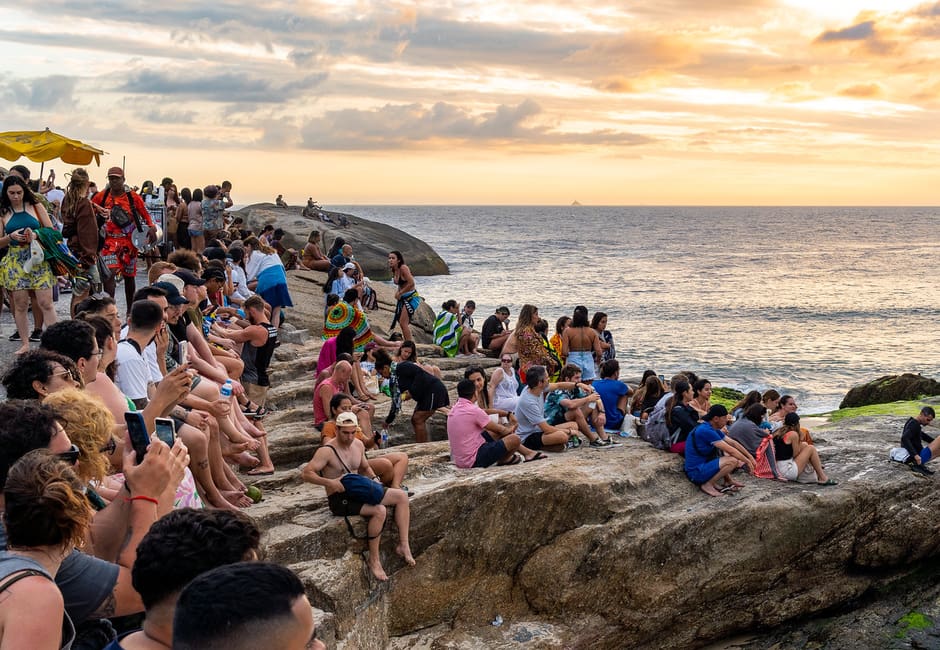
Every guide read names Ipanema, and several make it the first pick for anyone who can pay a little more. The reasons repeat: the beach is cleaner and the evenings are calmer than in Copacabana, and the streets behind it are good for restaurants. The cost is the other side of that, with some of the highest room prices in the city and fewer cheap options. From Arpoador Rock the walk runs on to Ipanema Beach, and the Ipanema Hippie Fair is held in the square by General Osório station on Sundays. Line 4 also stops at Nossa Senhora da Paz. Daniel lived in Ipanema for four months.
Torn between the two beaches? Copacabana or Ipanema compares them side by side.
Copacabana and Leme
Recommended by 22 of 24 guides read.
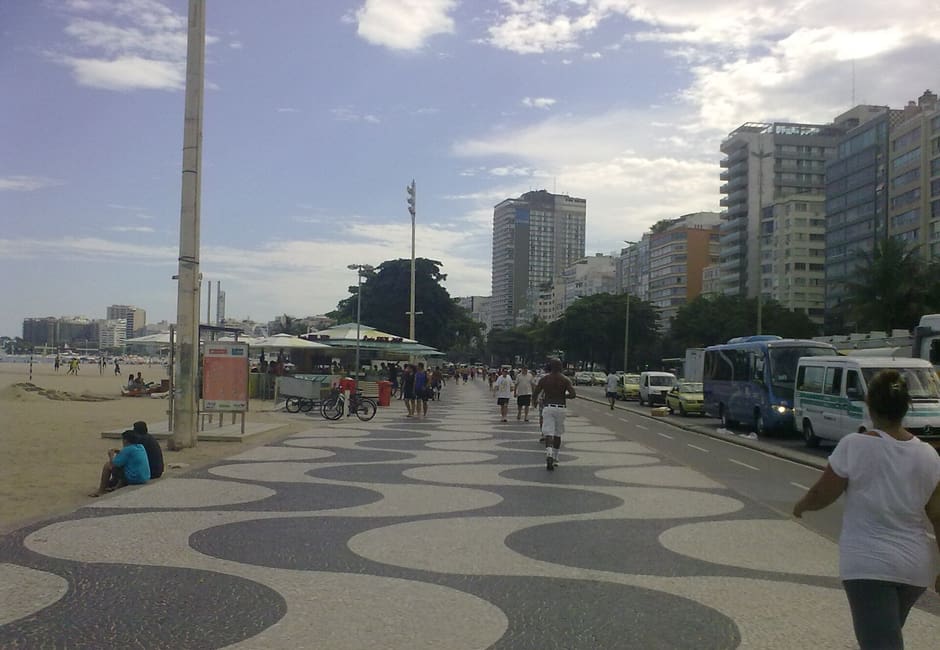
Copacabana is the default for a first visit, mostly because it has the most hotels at the widest range of prices and the metro runs under it. Copacabana Beach and the Copacabana Promenade are outside the door, and Copacabana Fort and Army Historical Museum sits at the Ipanema end. Several guides add the same advice for the night. Stay close to the seafront avenue or the lit shopping streets, not the back blocks, and keep an eye on your phone and bag. A few suggest the end nearest Arpoador, which keeps Ipanema within walking distance for lower prices. Leme Beach and Leme Fort are the calmer northern end, and seven guides name Leme as a base of its own.

Botafogo
Recommended by 21 of 24 guides read.
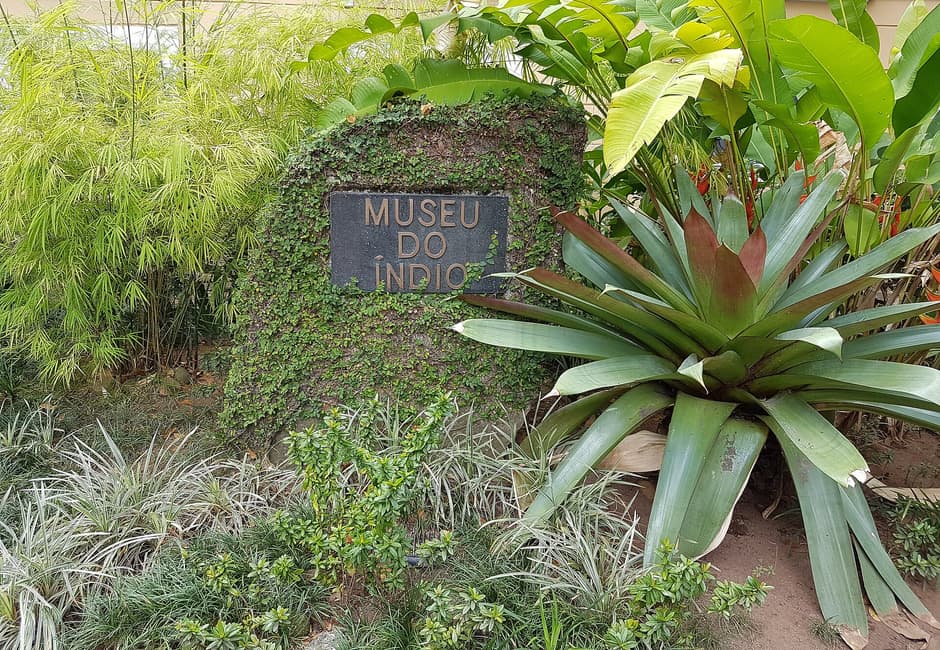
Botafogo faces the bay, not the ocean, so there’s no swimming, and guides use it as the value pick. It’s central, has a local feel and sits on both metro lines 1 and 2. The Museu Casa de Rui Barbosa and Museu do Índio are here, along with the shopping centres Rio Sul and Botafogo Praia Shopping. The Sugarloaf Cable Car in Urca is a short ride away. One guide says the streets are quiet late at night.
Leblon
Recommended by 18 of 24 guides read.
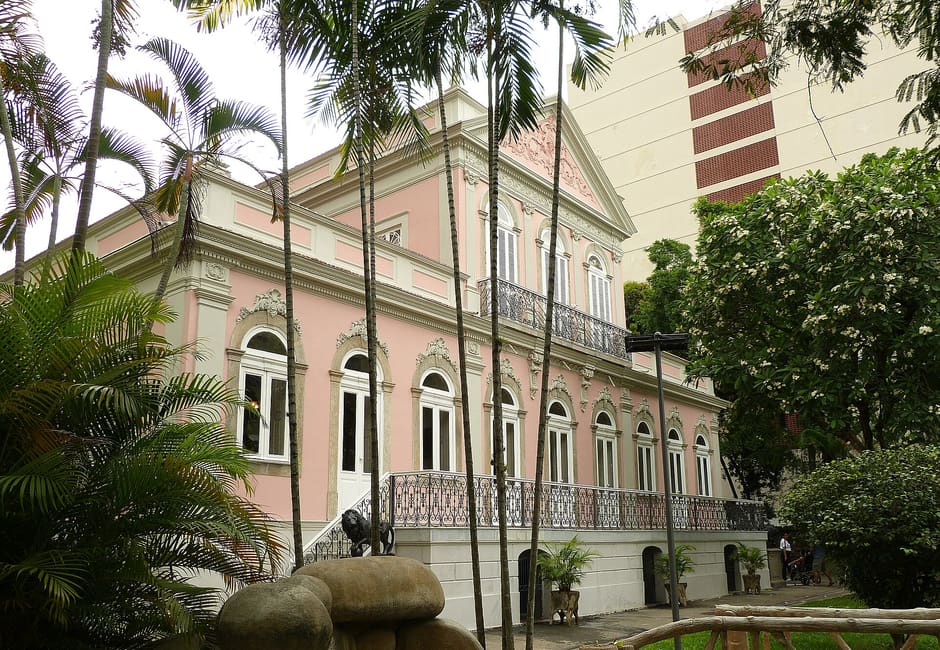
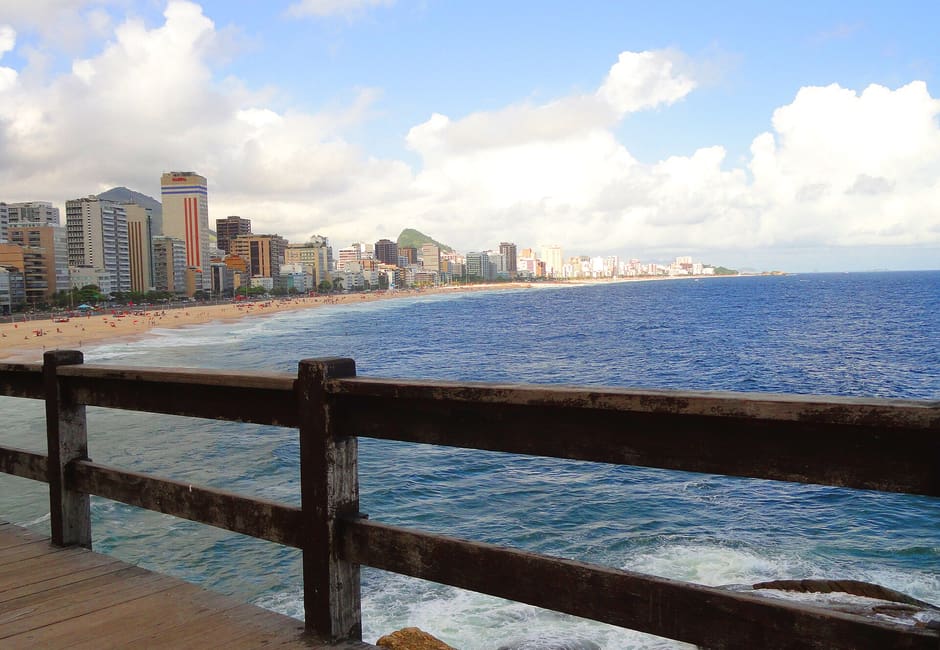
Leblon is the calm, expensive end of the beach strip, often given to families and to travellers who want fewer crowds. Leblon Beach runs to the foot of Dois Irmãos Cliff Natural Park. Hotels are few, and one guide says the south-end position makes it a less handy base than Ipanema. Metro Line 4 stops at Antero de Quental and Jardim de Alah.
Santa Teresa
Recommended by 18 of 24 guides read.
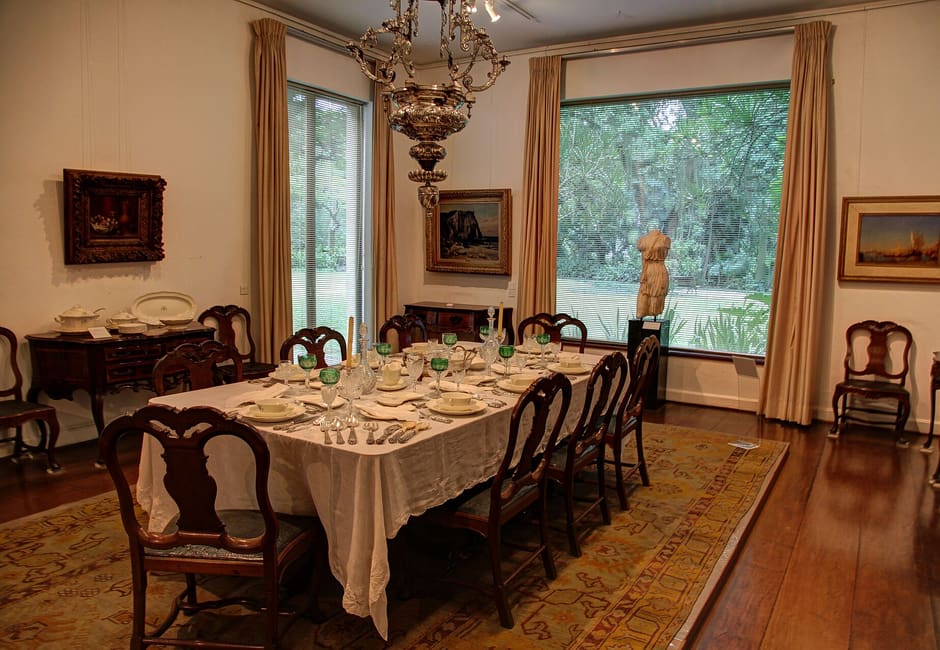
Guides like the views, the small guesthouses and the artists’ streets of Santa Teresa. They are less united on staying there. Five recommend against it, or against it for a first trip, because there is no metro, hills make getting in and out slow, and some of the streets are empty at night. It suits a second visit or a long stay. The Selarón Steps and the Lapa Arches are at the bottom, and the Chácara do Céu Museum is up the hill, so check its page for hours. For the full case, see where to stay in Santa Teresa.

Centro and Porto Maravilha
Recommended by 15 of 24 guides read.
Centro is where the museums are, and the guides that favour it say so, along with lower prices and the metro. Several add the same warning. It empties after office hours and at weekends, so pick a hotel on a busy street and take care at night. Lines 1 and 2 stop at Carioca, Cinelândia and Uruguaiana. The Museum of Tomorrow and the Rio Art Museum (MAR) face the old port, and the Theatro Municipal, the National Library and the National Museum of Fine Arts are around Cinelândia. Eat lunch here and sleep elsewhere if you want a beach in the morning.

Lapa
Recommended by 12 of 24 guides read.
Lapa is where the evenings are, with samba clubs and bars, and it has cheaper rooms. The guides are split. Several advise against sleeping there, or against it on a first trip, and say to come for a night and sleep elsewhere. Those who do suggest it say to stay on the main streets and expect noise.

Flamengo and Glória
Recommended by 10 of 24 guides read.
Flamengo Park runs along this stretch of the bay, and the guides that name it use words like calm, safe and good value. It has less nightlife than the beach areas. MAM Rio is at the Centro end. Glória, Catete, Largo do Machado and Flamengo are all on Lines 1 and 2, which is why it works for a long stay or when you plan to spend your days elsewhere.


Less common picks
Barra da Tijuca is named as a base by 8 of the 24 guides, usually for beaches, space and events, and a number of those add that it is far from the sights and has only one metro stop, Jardim Oceânico on Line 4. Catete and Largo do Machado are named by 6, as calmer and cheaper than the beach areas. Both are left out of the table.
What the guides agree on
Stay in the South Zone for a first visit. Choose Ipanema if you can pay more and Copacabana or Botafogo if you’d rather pay less. Treat Santa Teresa, Lapa and Centro as places to visit more than to sleep, unless you know why you’re choosing them. Avoid the North Zone, and don’t stay inside a favela. For Carnival, Flamengo and Catete are suggested for the Sambadrome. Prices in every area rise at Carnival and New Year, so book those weeks early.
Frequently Asked Questions
Which part of Rio is best to stay in?
The South Zone. For a first trip, 24 of the 24 guides read name Ipanema and 22 name Copacabana, and most put either one first.
Is it better to stay in Copacabana or Ipanema?
Copacabana has the most hotels at the widest range of prices and a busier street at night. Ipanema is calmer and costs more. The Copacabana vs Ipanema guide compares them.
Is it better to stay in Leblon or Copacabana?
Leblon is calmer and pricier, it’s often suggested for families, and it has few hotels. Copacabana is busier, has more hotels and costs less.
What is the safest area to stay in Rio?
No guide calls any area risk free. The ones that comment lean toward Ipanema and Leblon, and they all advise lit streets at night and a hotel on a busy street.
Which areas should I avoid staying in?
Guides say don’t stay in the North Zone and against staying inside a favela. Many also say to treat Santa Teresa, Lapa and Centro as places to visit, not to sleep, unless you know why you’re choosing them.
Where should I stay in Rio for Carnival?
Guides suggest Flamengo and Catete for the Sambadrome, and many people choose Copacabana, Ipanema or Botafogo. Prices rise at Carnival, so you’ll want to book early. See the Rio Carnival guide.
Can you walk from Ipanema to Copacabana?
Yes. Three of the 12 guides that compare them say the beaches are a short walk apart, past Arpoador Rock.
Sources: 24 guides in English, Portuguese, French, German, Spanish and Italian, and 2 official pages
Guides in English
- Where to Stay in Rio de Janeiro - A Local's Neighborhood GuideGo Ask a Local
- Where to Stay in Rio de Janeiro: Best NeighborhoodsTouropia
- Where to Stay in Rio de Janeiro: Best Areas for VisitorsAs We Saw It
- Where to stay in Rio de JaneiroTravelling King
- Where To Stay In Rio de Janeiro: 8 Of The Best NeighborhoodsGlobotreks
- Where to Stay in Rio de JaneiroThe Broke Backpacker
- Where to Stay in Rio de Janeiro: Best Areas & Hotel Tips22places
- Where to stay in Rio de JaneiroThe Planet D
- Where to Stay in Rio de Janeiro: Best Neighborhoods ComparedGoing to Rio
- Where to Stay in Rio de Janeiro: Copacabana or Ipanema?The Queen of Trips
Guides in Portuguese
- Onde ficar no Rio de Janeiro: 7 melhores bairros e dicas de hotéis360 Meridianos
- Onde ficar no Rio de JaneiroDicas de Viagem
- Onde ficar no Rio de JaneiroViaja Que Passa
- Onde ficar no Rio de Janeiro: os 10 bairros mais segurosMala de Aventuras
- Onde ficar no Rio de Janeiro: que bairros são melhores e seguros?Viciada em Viajar
- Onde ficar no Rio de JaneiroMelhores Destinos
Guides in French
- Où dormir à Rio de JaneiroVoyage Tips
- Où dormir à Rio de JaneiroVoyage avec Nous
- Où dormir à RioUn sac sur le dos
- Dans quel quartier loger à Rio de Janeiro ?Génération Voyage
- Où loger à Rio de JaneiroTourdumondiste
Guides in German
Guides in Spanish
Guides in Italian
- Dove alloggiare a Rio de JaneiroTravel Our Planet
Official pages
- MetrôRio, stations on Lines 1, 2 and 4metrorio.com.br
- Riotur, the city tourism bodyriotur.rio
Places in this guide
Photos show the actual places, licensed under Creative Commons and credited to their photographers.
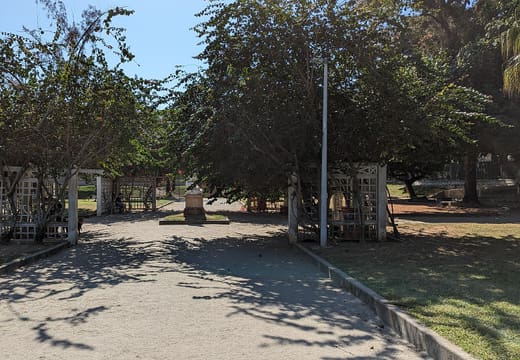 Jardim de Alah Photo: Avelludo / Wikimedia Commons (CC BY-SA 4.0)
 Cinelândia Photo: A C Moraes
 Ipanema Beach Photo: Lucas from Brasil / Wikimedia Commons (Public domain)
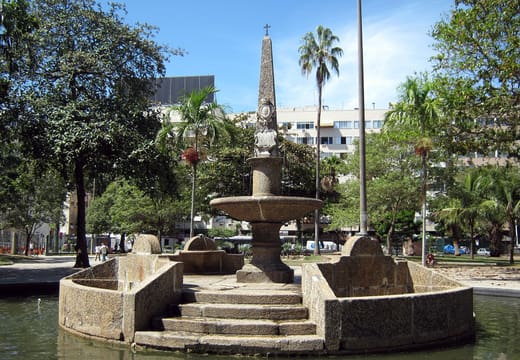 Ipanema Hippie Fair Photo: Halley Pacheco de Oliveira / Wikimedia Commons (CC BY-SA 3.0)
 Copacabana Promenade Photo: Mteixeira62 / Wikimedia Commons (CC BY-SA 3.0)
 Copacabana Fort and Army Historical Museum Photo: Claudio Oliveira Lim… / Wikimedia Commons (CC BY-SA 3.0)
Find hotels in Rio de Janeiro
Browse live availability and compare prices for your dates.
See hotels near Rio de Janeiro on Booking.comPrices are for the night of Saturday 28 November. You can change the dates on Booking.com. If you book, Roam Rio de Janeiro earns a small commission from Stay22 at no extra cost to you.